
India and Germany are deepening their clean energy partnership, with a renewed focus on ensuring the transition to a low-carbon economy delivers economic opportunities while protecting workers and communities dependent on fossil fuels.
The collaboration centres on the concept of a Just Energy Transition, which seeks to accelerate the shift from coal and other fossil fuels to renewable energy sources such as solar, wind and green hydrogen while ensuring the benefits and costs of the transition are shared fairly.
For India, the challenge is significant. The country has committed to achieving net-zero emissions by 2070 and aims to install 500 GW of non-fossil fuel power capacity by 2030. Achieving these targets will require major investments in renewable energy generation, electricity transmission, energy storage and grid modernisation.
Germany, meanwhile, is targeting climate neutrality by 2045 and plans to increase the share of renewable energy in its electricity mix to 80% by 2030. Like India, it must balance decarbonisation with the economic realities of regions that have historically relied on coal and other carbon-intensive industries.
The two countries are working together to expand renewable energy deployment, strengthen electricity networks, improve energy efficiency and accelerate the adoption of green hydrogen. Cooperation also extends to climate finance, technology transfer, innovation and private-sector investment.
A key framework for this collaboration is the Green and Sustainable Development Partnership (GSDP), which brings together bilateral initiatives aimed at supporting sustainable growth and climate action.
Energy cooperation between India and Germany dates back to 2006 through the Indo-German Energy Forum, which connects policymakers, industry leaders, financial institutions and researchers to advance renewable energy and clean technology solutions.
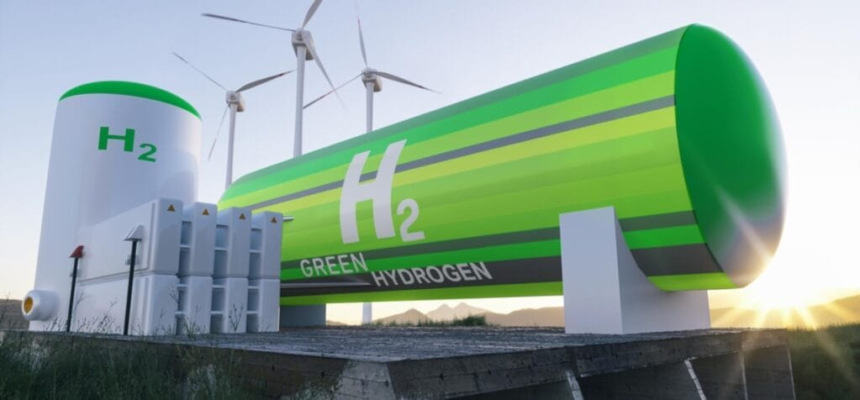
Green hydrogen has emerged as a strategic priority within the partnership. In 2022, the two countries established a Green Hydrogen Task Force to promote collaboration on hydrogen production, storage, transport, trade and research, supporting efforts to decarbonise hard-to-abate sectors such as heavy industry.
The partnership aligns with global climate and development goals, including the Paris Agreement and the Sustainable Development Goals. It also reflects a growing recognition that successful energy transitions must deliver more than emissions reductions. They must create jobs, attract investment, strengthen energy security and support vulnerable communities.
As both countries accelerate their climate ambitions, the India-Germany partnership is increasingly being viewed as a model for how developed and emerging economies can work together to build a cleaner, more inclusive and economically resilient energy future.